Since Your LinkedIn Is Being Read by AI, Here's How to Show Up Well
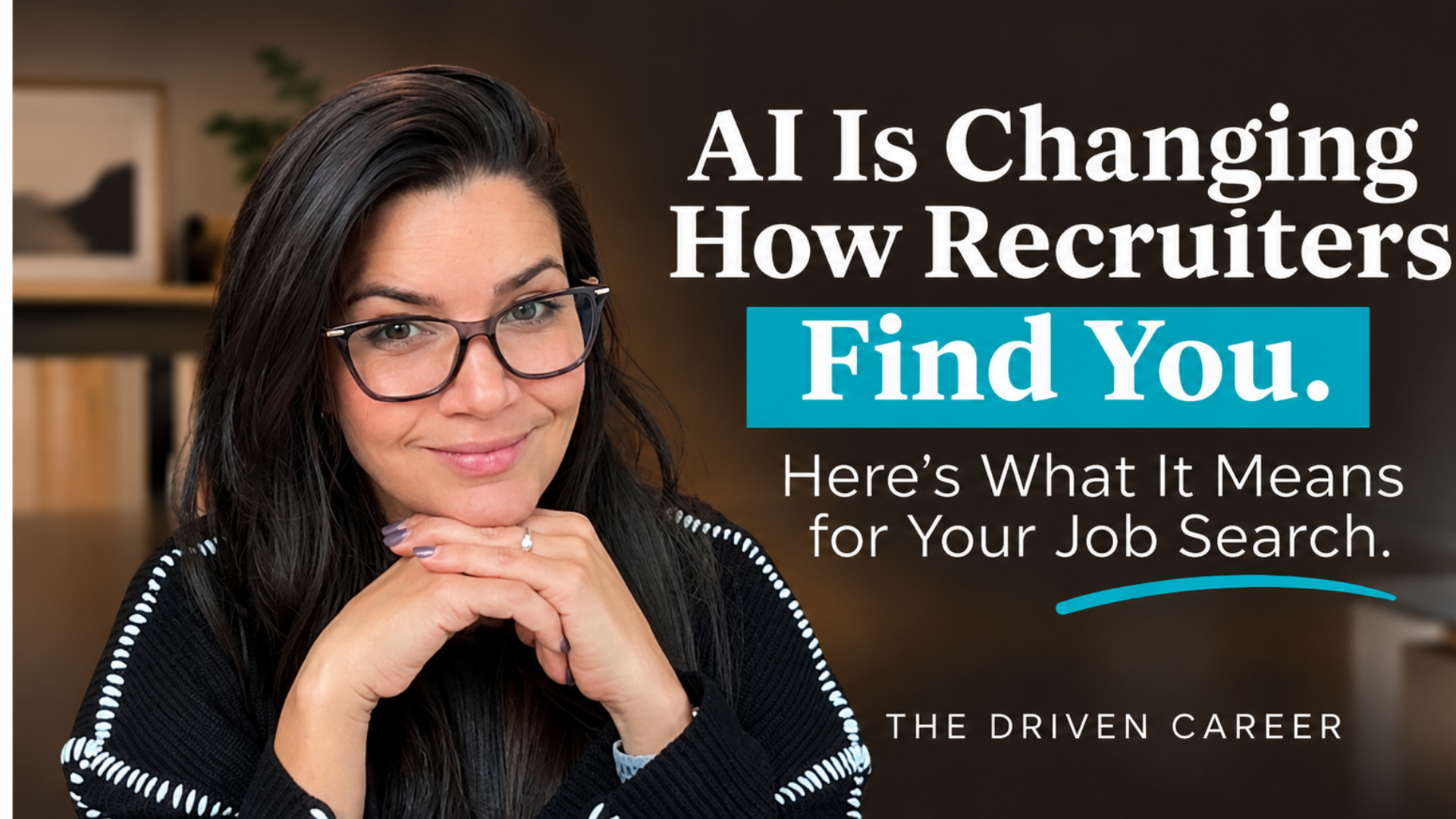
LinkedIn's AI recruiting tools are changing how profiles get found, according to LinkedIn's own announcement. Here's what that means for your job search.
LinkedIn says recruiters using its new Hiring Assistant 2 review 83% fewer profiles to find qualified matches.
So, what should you be paying attention to?
To start, getting your profile noticed by AI is one step. Being able to communicate your value to a recruiter or hiring manager is another. You need to do both.
Not every recruiter uses Hiring Assistant 2. Some companies have access to these tools, while many recruiters still search LinkedIn directly, using keywords, job titles, skills and professional experience to find candidates.
But recruitment is changing. AI is becoming part of how companies find and assess talent. As a job seeker, you need to understand how these changes affect the way you present yourself and how an optimized LinkedIn profile can improve your chances of being found by recruiters.
In this article, I want to share three things:
- What recruiters look for when reviewing candidates.
- Insights from my recent conversation with executive search professional Isabella Ferris.
- Practical ways to improve your LinkedIn profile to support your job search.
What an Executive Search Professional Told Me
Last week, I recorded an episode of The Driven Career Podcast with Isabella Ferris, an executive search professional with two decades of experience.
We discussed how recruiters find candidates, what makes a professional stand out and what they look for when reviewing LinkedIn profiles.
And she was very honest about how she looks at people's profiles and shared:
"The profile is just the introduction. What gets me interested to talk to you is the story that you tell behind it."
That is a great reminder that your LinkedIn profile doesn't need to be complicated. It needs to communicate your experience and the impact you've made.
From our conversation, here are three things I believe every job seeker should consider:
1. Keep your profile current and professional
Start with the basics. Is your profile picture professional? Is your information up to date? Can someone quickly understand what you do?
As Isabella put it:
"You don't have to become a LinkedIn influencer, just be clear about the work."
She also advised against AI-generated profile pictures that don't reflect the real person. Your photo should look like you.
These recommendations may sound simple, but sometimes getting the basics right is the most important first step.
2. Show what you've achieved, not just what you were responsible for
Isabella shared a question that I think every professional should ask when updating their Experience section:
"What were you responsible for? What changed because you were there? What did you build, fix, improve, grow?"
Too many profiles read like job descriptions. Instead of listing only your responsibilities, explain your contribution and the results of your work.
For example, rather than saying you were responsible for employee onboarding, explain how you improved the process and what changed as a result. The way to go today is giving the recruiters something concrete to understand your experience.
3. Make your About section tell your professional story
Your About section should give recruiters an overview of your professional background, achievements, areas of expertise and what you are looking for next.
Isabella likes to see people explain what they have done, learned and achieved throughout their careers. She also recommends including additional languages you speak and a little about your interests outside work.
And remember, AI can help you brainstorm, organize your thoughts and improve grammar. But don't let it write a generic, over-optimized profile that lacks substance or sounds nothing like you.
Your profile should reflect your actual experience and your own professional voice. Use AI to improve how you communicate your story, not to create one for you.
Want to hear the full conversation? We also discussed executive search, recruiter relationships, interview preparation and what professionals can do to stay open to new opportunities. Watch the full conversation with Isabella Ferris on The Driven Career Podcast.
Three Formulas to Make Your LinkedIn Profile Work Harder for Your Job Search
You don't need to rewrite your entire LinkedIn profile. Start by reviewing these three areas.
1. Your LinkedIn headline
Use this formula:
Target Job Title | Key Skills or Speciality | Value You Bring
Example: Project Manager | Agile Delivery & Stakeholder Management | Delivering Complex Projects on Time
Start with the role you're targeting, add two or three relevant skills recruiters may search for, and finish with the value you can bring to an organization.
2. Your experience section
Use this formula:
Action + What You Did + Result or Impact
Instead of: "Responsible for employee onboarding."
Try: "Redesigned the employee onboarding process, reducing onboarding time from six weeks to three."
Think about what you improved, implemented, managed, delivered or changed. Where possible, include measurable results.
3. Your About section: connect your experience to the job you want
Use this structure:
What You've Done + Skills You Can Bring + What You're Looking For
For example: "HR professional with experience in recruitment and talent management, bringing strong stakeholder management and workforce planning skills to People Operations roles."
If you're changing industries, functions or career paths, this is especially important. Help recruiters understand how your previous experience connects to the type of job you're targeting.
Think about the roles you want next. Does your About section make it clear why your experience is relevant to those opportunities?
Remember, AI can help you improve your wording, but the experience, achievements and skills must be yours. Keep your language clear, accurate and easy to explain in an interview.
Your Next Step: Start Your Job Search With a Strategy
Before updating your resume or LinkedIn, think about: What kind of job are you looking for? What experience and skills can you bring to that role? Which companies and opportunities should you focus on?
A successful job search starts with a clear plan.
That's why I created Your Job Search Starting Point, a free resource to help you define your next move and take the first steps towards finding your next job with a strategy. Get your free resource here.
Let's Hear From You
How are you adapting your job search in the AI era? Have you changed the way you write your applications, update your LinkedIn profile or use AI throughout the process?
I'd love to hear how you're approaching these changes. Feel free to send me a message at racheldias@thedrivencareer.com.
Episodes to watch next
- The Mistake Keeping You at the Same Job Title for Years
- What Interviewers Listen For: Job Search and Career Growth, with Azmina Kara
- Why Some Get Ahead: Job Search and Career Growth, with Ryan Chandra
Lead Your Career. Stay Driven.